Resources · Books
Leaders Are Readers
A growing collection of books on faith, leadership, freedom, courage, reconciliation, Western civilization, and the places where the world narrows—chosen for those who must decide, not merely opine.
This collection grows out of a particular ministry of our friend, elder and Board Member John Bishop, a Marine, who has long understood that leaders are formed not only by what they experience, but by what they read, wrestle with and learn to see.
John also assists the leadership at Marine Corps Base Quantico in developing reading recommendations intended to help form the hearts, minds and thinking of the next generation of Marine Corps leaders. Our own Essential Reading collection is, in many ways, a blessing flowing from that same work.
These are not books gathered merely to fill a shelf.
They are books chosen to form people who may one day have to decide what happens next.

“With AI in our back pocket, we’ve become so used to judging everything and everyone that we’ve started judging God. Instead of coming to Him for mercy, we expect Him to explain Himself.”
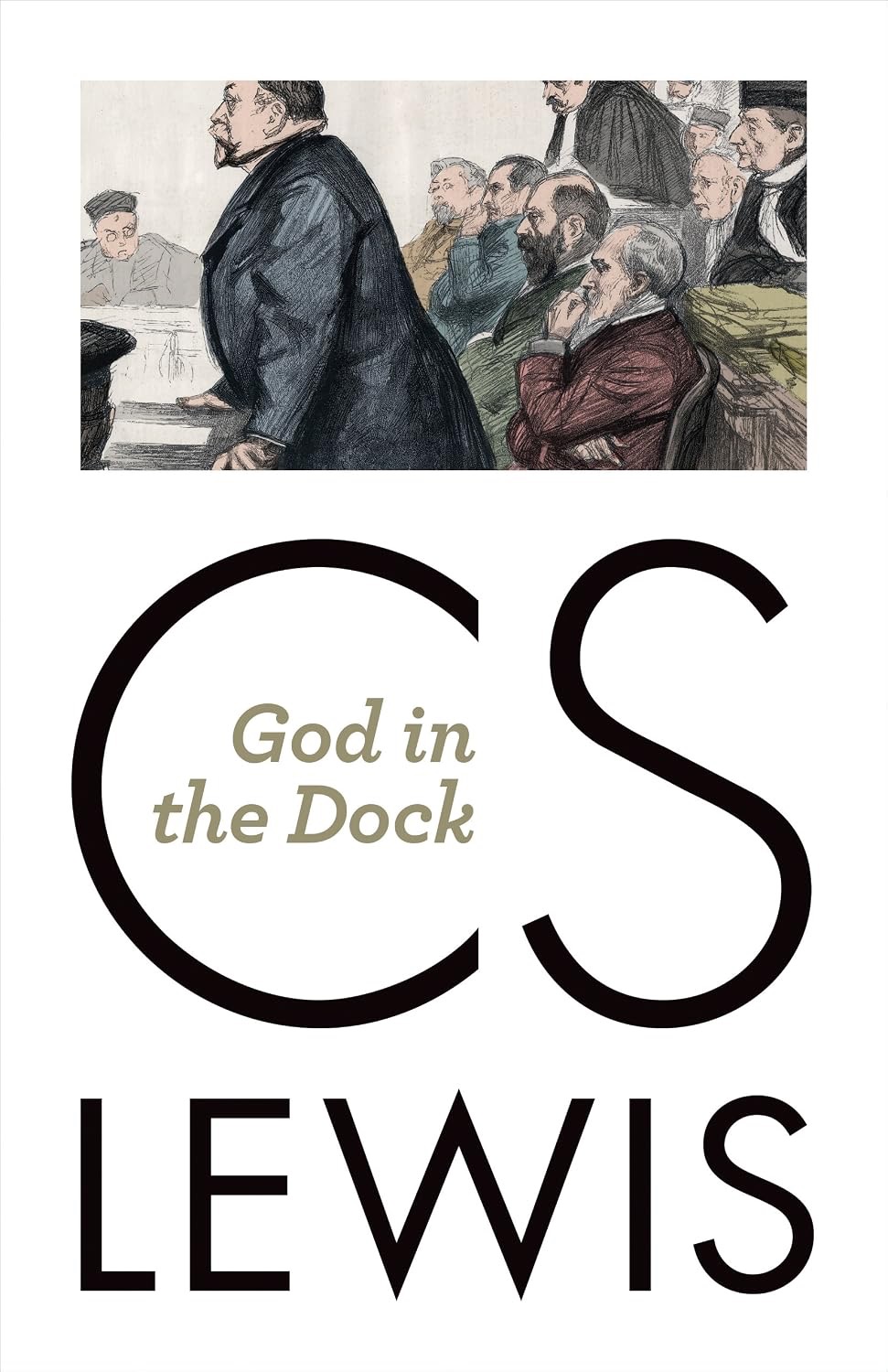
God in the Dock
By C.S. Lewis
We live in an age of thumbs up or thumbs down, of hot takes, comment sections, podcasts, and endless reaction videos. Everyone has an opinion. Everyone is a critic. Even God is expected to explain Himself—to answer our questions, satisfy our standards, and earn our approval.
C.S. Lewis saw this shift long before AI and social media existed, and his diagnosis is more relevant today than ever.
This short but profound essay turns the courtroom around, reminding us that the ultimate question is not whether God stands before our judgment, but whether we are prepared to stand before His.
You Couldn’t Make It Up
Stories of Providence, Politics, Prayer, and the Places In Between
By Mark J. Finlay

There are moments in life when the only honest response is laughter, wonder, or worship — and sometimes all three.
You Couldn’t Make It Up is a collection of recollections and revelations from my journey: stories of unlikely meetings, unexpected doors, costly lessons, acts of providence, and the quiet faithfulness of God in places where He was present long before I had the wisdom to recognize Him.
The question is not whether He is present.
The question is whether we have learned to notice.
Leaders are shaped by what they read, what they notice, what they remember, and what they finally have the courage to say.
C.S. Lewis
Few writers have shaped Christian thought and moral imagination more profoundly than C.S. Lewis — the Ulsterman whose intellectual rigor and gift for making timeless truths accessible continue to speak with clarity across generations.
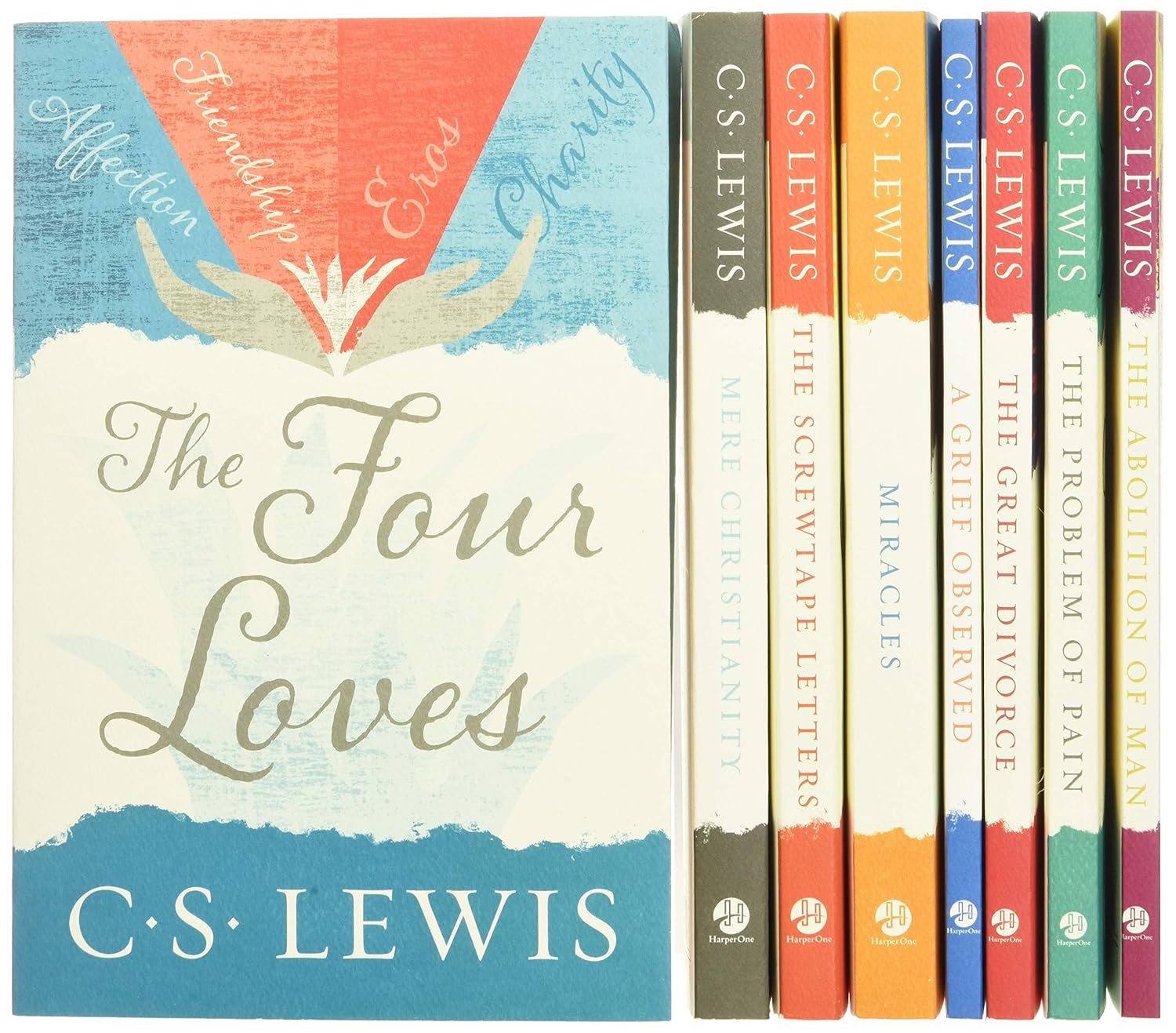
C. S. Lewis Signature Classics (8-Volume Box Set)
By
C.S. Lewis
Boxed together for the first time, here are the signature spiritual works of Belfast-born C.S.
A box of Lewis is rather like a wardrobe: open it carefully, and do not be surprised if you find yourself in a larger world.
— Mark J. Finlay
Lewis: Mere Christianity, The Screwtape Letters, The Great Divorce, The Problem of Pain, Miracles, A Grief Observed, The Abolition of Man, and The Four Loves.
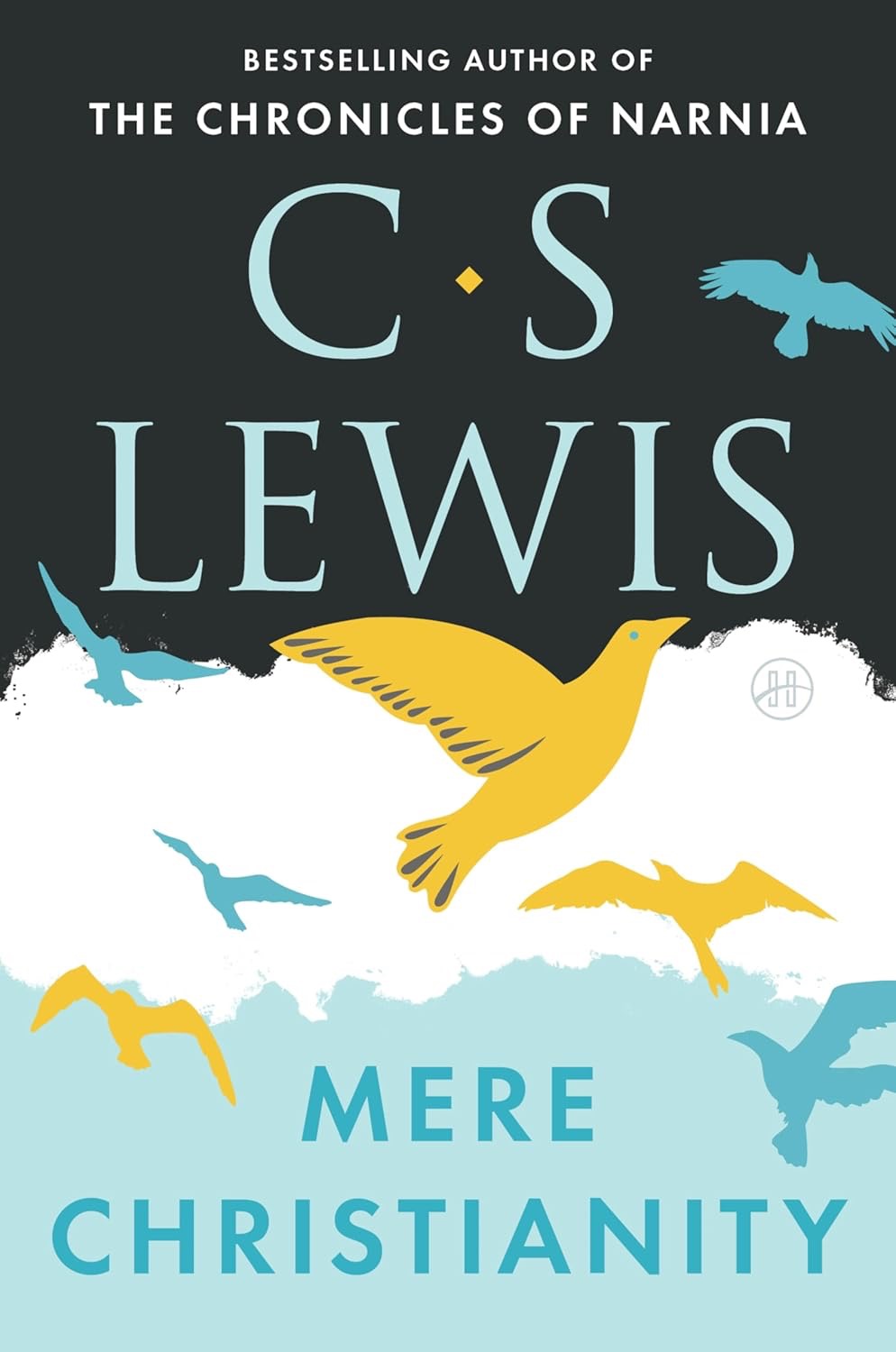
Mere Christianity
By
C.S. Lewis
Our moral consciousness and moral judgements are proof to the human race that a moral being exists — God.
Mere Christianity has changed lives around the world for generations.
Lewis explores the core beliefs of Christianity, offering an unequaled opportunity for believers and nonbelievers alike to hear a powerful, rational case for the Christian faith.
Read Them Together
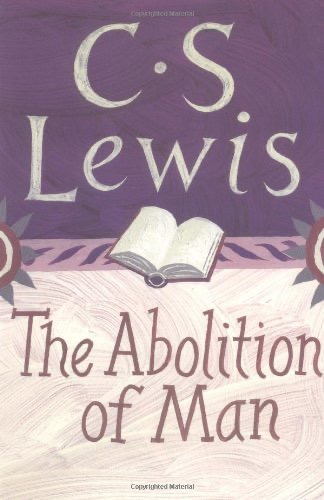
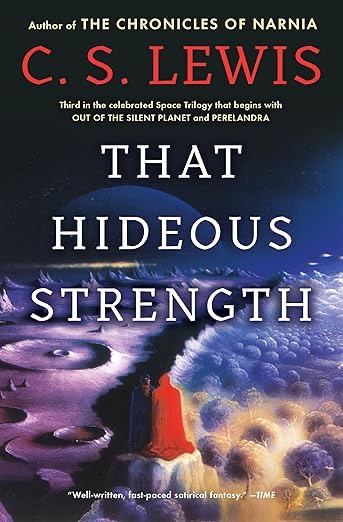
Lewis's Most Prophetic Warning
Many readers discover The Chronicles of Narnia. Fewer discover what may be Lewis's most prophetic warning to modern civilization. Read The Abolition of Man first, then That Hideous Strength. One provides the diagnosis; the other tells the story. Together they offer a remarkable glimpse into questions of power, technology, truth, education, and what it means to remain truly human.
— Mark J. Finlay
The Problem of Pain
By
C.S. Lewis
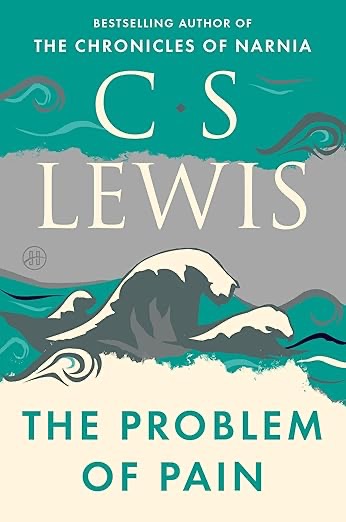
In The Problem of Pain, Lewis tackles one of life's hardest questions: why a loving God permits suffering.
Sooner or later, every one of us asks the question: If God loves us, why does life sometimes hurt so much? Few writers have wrestled with that question more honestly, or more helpfully, than C.S. Lewis.
— Mark J. Finlay
Without offering easy answers, he combines clear thinking, deep faith, and genuine compassion to help readers find hope amid life's disappointments, hardships, and unanswered questions.
Surprised By Joy
By
C.S. Lewis
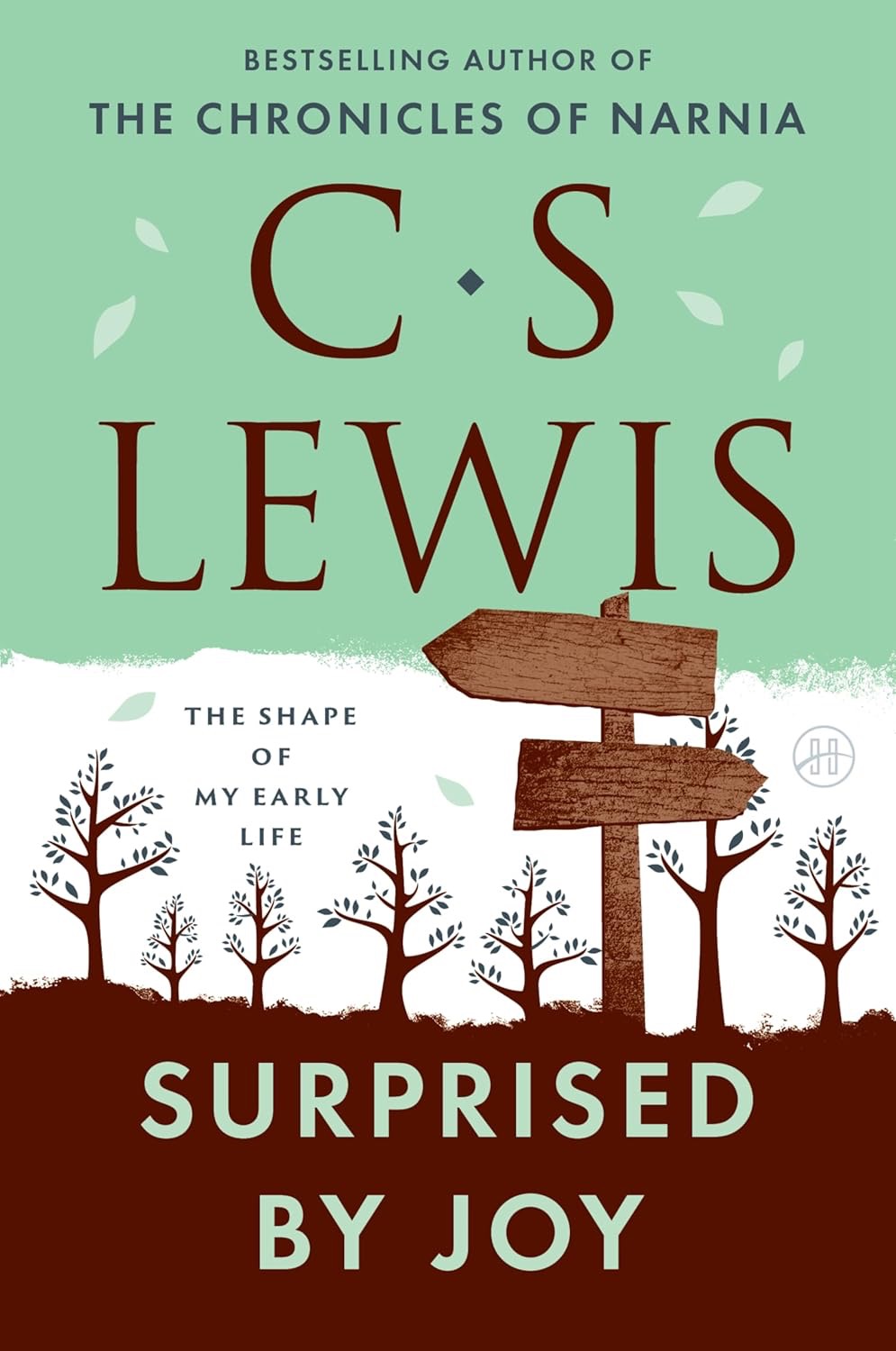
Lewis begins with his childhood in Belfast, surveys his boarding school years and his youthful atheism in England, reflects on his experience in World War I, and ends at Oxford, where he became "the most dejected and reluctant convert in all England."
If you've ever wondered why beauty, longing, and nostalgia seem to point beyond themselves, start here. Surprised by Joy is Lewis's deeply personal account of the road that led him to faith — a truly captivating story.
— Mark J. Finlay
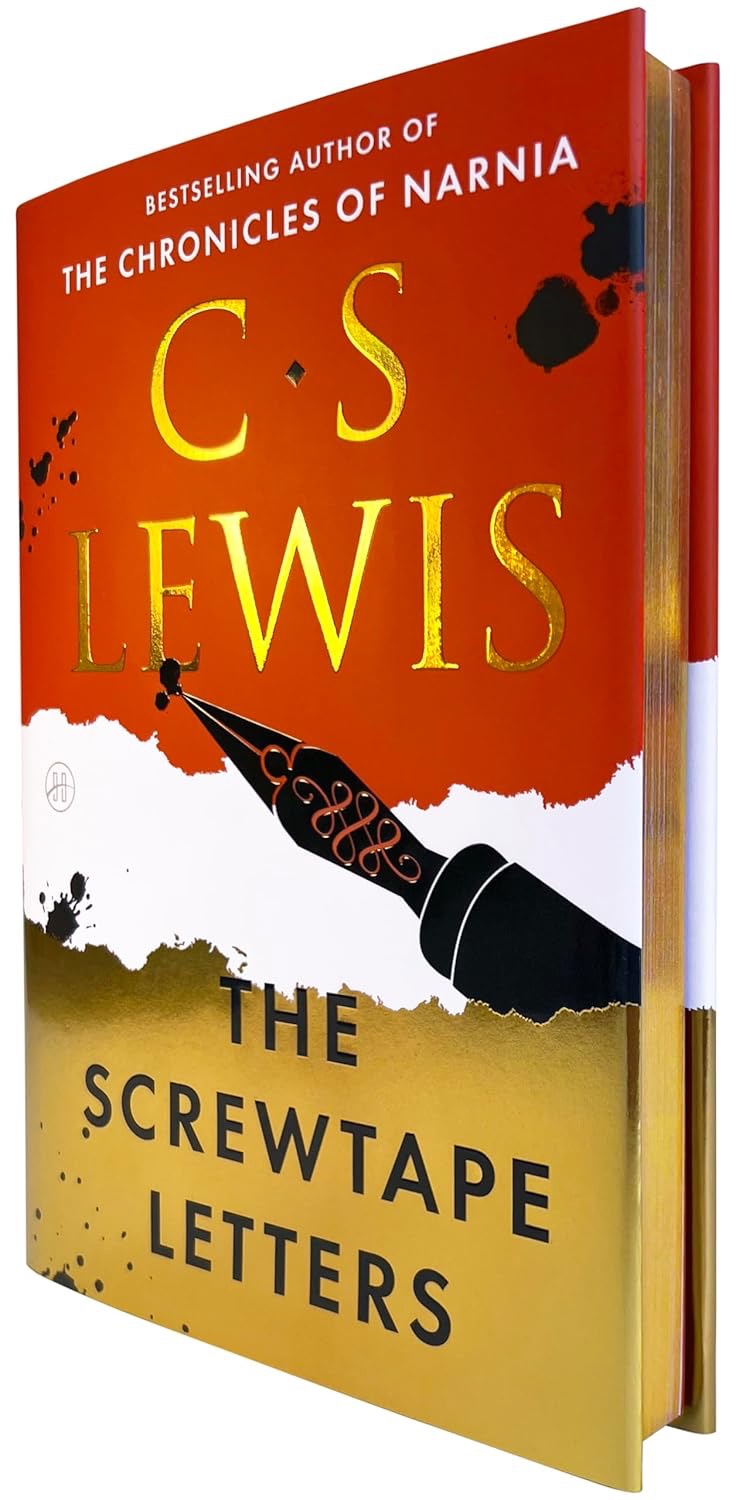
The Screwtape Letters
By
C.S. Lewis
At once wildly comic, deadly serious, and strikingly original, Lewis gives us the correspondence of a worldly-wise devil to his nephew Wormwood, a novice demon charged with securing the damnation of an ordinary young man.
If you've ever wondered how temptation actually works, The Screwtape Letters is required reading. Written from the devil's perspective—and often uncomfortably close to home
— it remains one of the most insightful guides to the enemy's playbook ever written.
Leadership, Culture & the Future of the West
These books explore the ideas, leaders, institutions, and values that have shaped Western civilization — and continue to influence our world today.
Carry-On Companions
Two Short Books to Elevate Any Flight
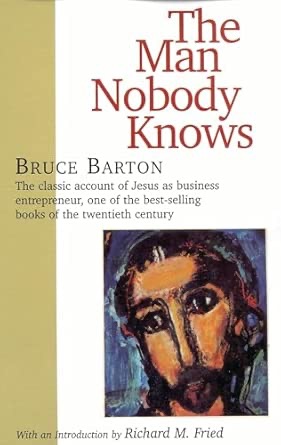
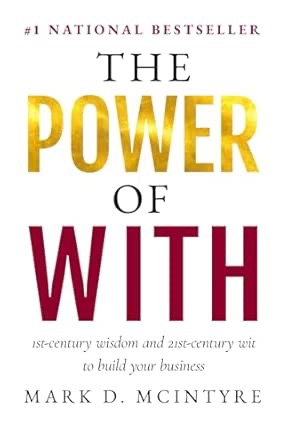
Slip either of these into your carry-on. Bruce Barton—one of the original Mad Men of Madison Avenue—invites us in The Man Nobody Knows to see Jesus as the greatest leader, communicator, and builder of people the world has ever known. Mark McIntyre's The Power of With turns timeless wisdom into a modern playbook for serving clients and leading people.
— Mark J. Finlay
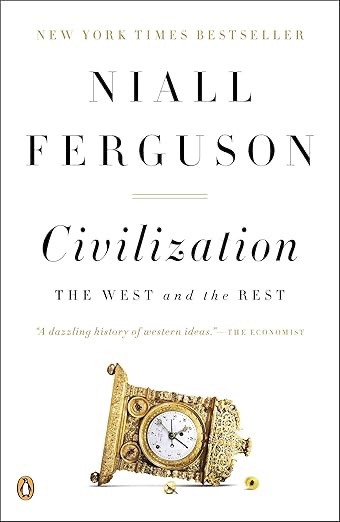
Civilization — The West and the Rest
By
Niall Ferguson
Ferguson recasts world history with force and wit.
Has the zenith of Western power now passed? He shows how 'the Rest' have downloaded the killer apps the West once monopolized, while the West has literally lost faith in itself.
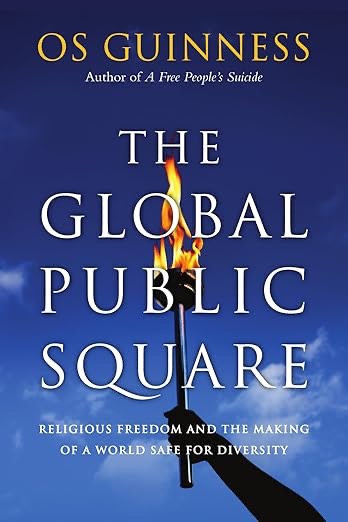
The Global Public Square
By
Os Guinness
In a world torn by religious conflict, the threats to human dignity are terrifyingly real.
Os Guinness argues that the way forward for the world lies in promoting freedom of religion and belief for people of all faiths and none.
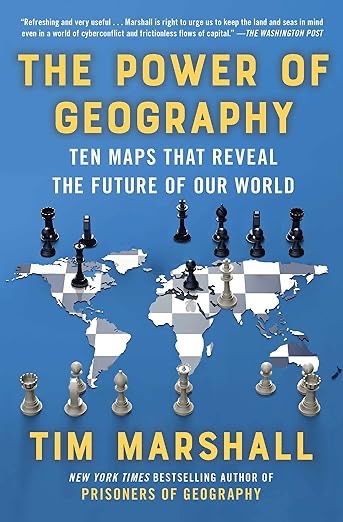
The Power of Geography
By
Tim Marshall
Find out why US interest in the Middle East will wane; why Australia is now beginning an epic contest with China; how Turkey, Saudi Arabia, and the UK are cleverly positioning themselves for greater power.
As someone fascinated by ports, trade routes, strategic corridors, and what I often describe as the places 'where the world narrows,' I was completely sold when I first read the subtitle: Ten Maps That Reveal the Future of Our World.
— Mark J. Finlay
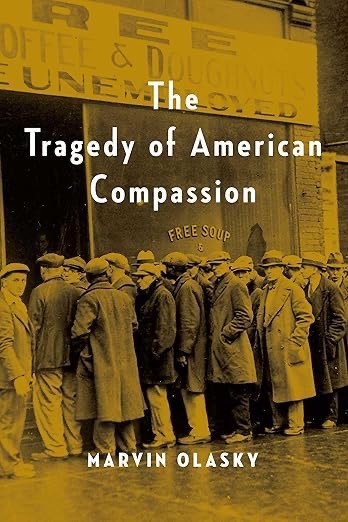
The Tragedy of American Compassion
By
Marvin Olasky
The crisis of the modern welfare state is more than a crisis of government.
Some books tell you what is happening. Others help you understand why. The Tragedy of American Compassion remains one of the most important books ever written on the difference between relieving need and restoring lives.
— Mark J. Finlay
Private charities that dispense aid indiscriminately while ignoring the moral and spiritual needs of the poor are also to blame.
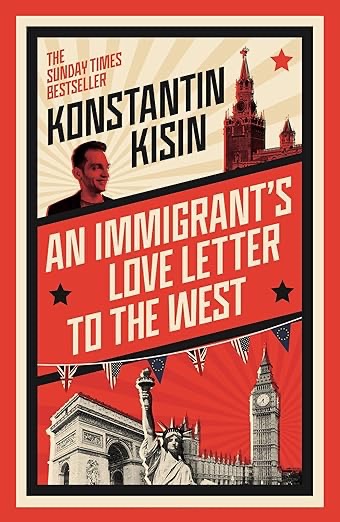
An Immigrant's Love Letter To The West
By
Konstantin Kisin
Funny, provocative and unswervingly perceptive, An Immigrant's Love Letter to the West interrogates the developing sense of self-loathing the Western sphere has adopted and offers an alternative perspective.
Sometimes it takes someone who arrived from elsewhere to remind us what those born here have forgotten: the West is not perfect, but it remains worth defending, reforming, and thanking God for.
— Mark J. Finlay
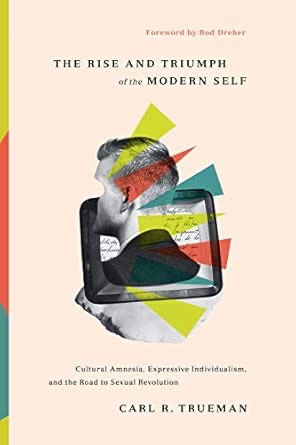
The Rise and Triumph of the Modern Self
By
Carl R. Trueman
Why do so many of today's cultural debates seem impossible to resolve?
If you have ever looked at the modern world and wondered, 'How did we get here?', Carl Trueman's The Rise and Triumph of the Modern Self is one of the most important books you can read.
— Mark J. Finlay
Carl Trueman helps explain why. This book traces the intellectual journey that transformed how modern society understands identity, truth, freedom, and what it means to be human.
A Library for Leaders
The challenges facing leaders today are rarely new. Questions of faith, courage, character, governance, responsibility, service, and human nature have confronted every generation.

The Knowledge of the Holy
By
A.W. Tozer
Before God is love, He is holy.
Tozer's book is a wonderful primer for those seeking to know the true God and His holiness.
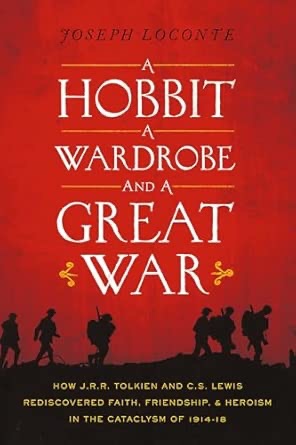
A Hobbit, A Wardrobe and A Great War
By
Joseph Loconte
This book chronicles how the combat experiences of WW I shaped the theology and writing of both C.S.
Lewis and J.R.R. Tolkien. We would not have The Lord of the Rings or The Chronicles of Narnia if it were not for the trenches of WW I.
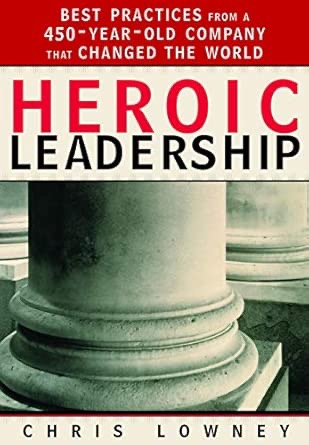
Heroic Leadership
By
Chris Lowney
Set in a business rather than religious context, this book speaks to the leadership principles of a 450+ year old "company" known as the Jesuits — self-awareness, ingenuity, love, and heroism.
Time-tested principles that leaders today would be well advised to understand and embrace.
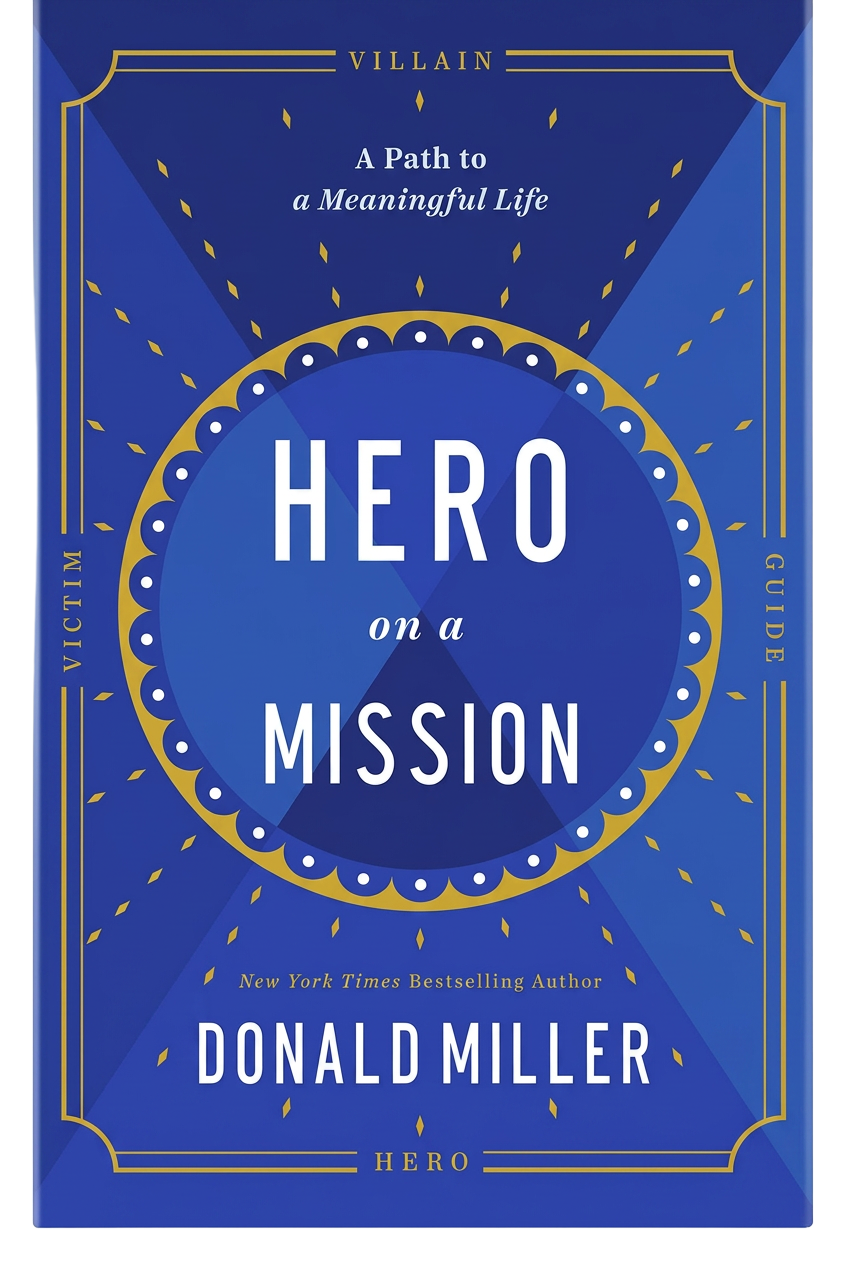
Hero on a Mission
By
Donald Miller
Don explains there are four characters in every story: the victim, the villain, the hero, and the guide.
I wholeheartedly agree with Don's approach, that we should operate as guides, to help life's heroes — particularly succeeding generations of leaders.
— Mark J. Finlay
These four characters live inside us. The hard part is being self-aware enough to know which character we are playing.
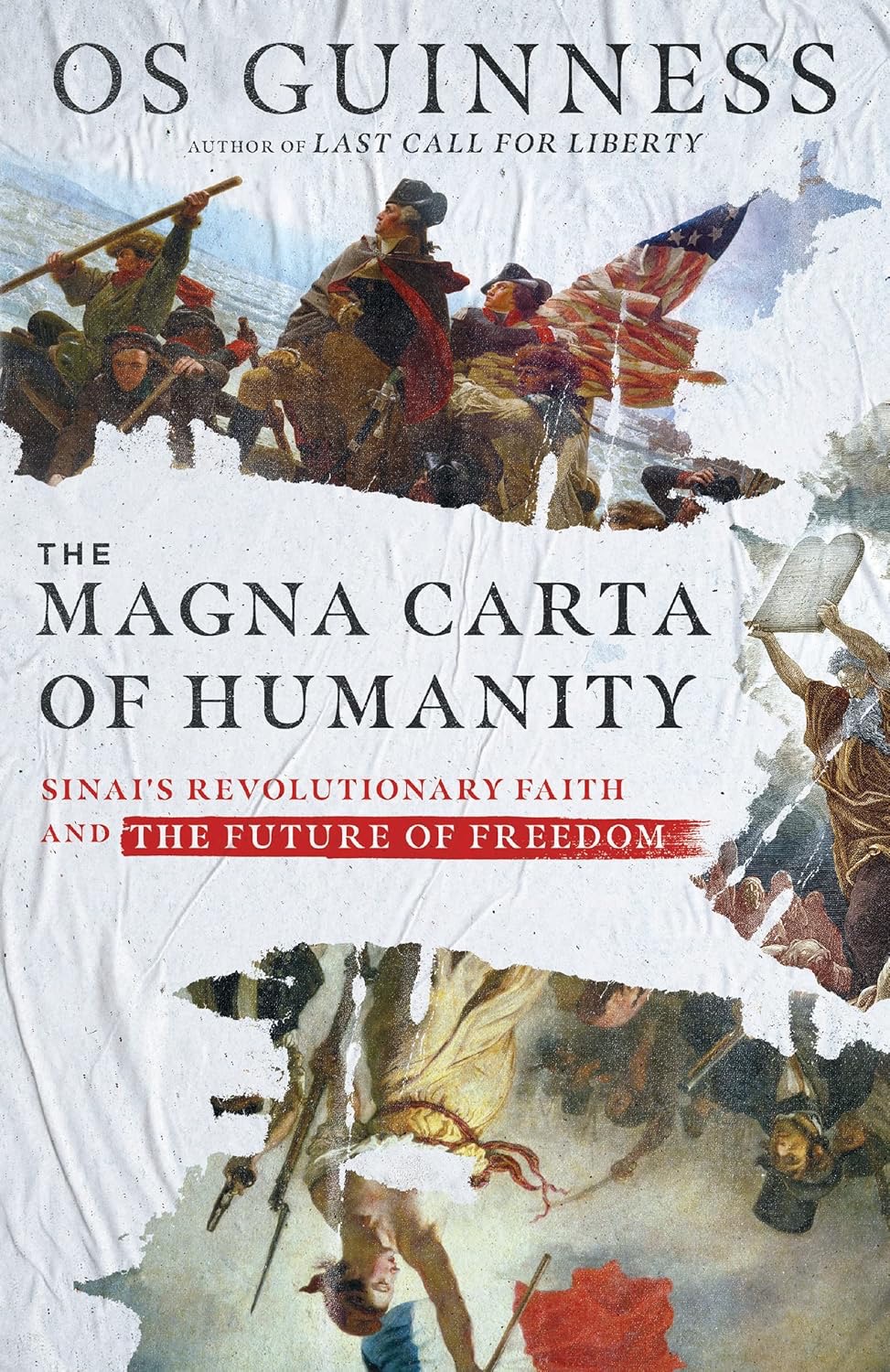
The Magna Carta of Humanity
By
Os Guinness
Guinness examines a pivotal question for our time: Will the coming generation return to faith in God and to humility, or continue to trust in the all-sufficiency of Enlightenment reason, punditry, and technocracy?
Thank You for Being Late
By
Thomas L. Friedman
Friedman's thesis is that to understand the twenty-first century, you need to understand that the planet's three largest forces — Moore's law, the Market, and Mother Nature — are accelerating all at once, transforming the workplace, politics, geopolitics, ethics, and community.
Nothing in life is to be feared, it is only to be understood.
— Marie Curie (as quoted by Friedman)
The Book That Made Your World
By
Vishal Mangalwadi
Learn how the Bible transformed the social, political, and religious institutions that have sustained Western culture for the past millennium, and discover how secular corruption endangers the stability and longevity of Western civilization.
Crucial Conversations
By
Kerry Patterson, Joseph Grenny, Ron McMillan, Al Switzler
Create a shared pool of meaning; stay in the dialogue when you are angry; tell yourself different stories.
This book has helped me in international peace initiatives and conversations at home alike.
— Mark J. Finlay
A modern classic on the conversations that shape families, boards, and nations.
Share the Journey
What books have shaped your thinking?
We'd love to hear from you.