
Restoring Trust
“Blessed are the peacemakers, for they shall be called children of God.”
Matthew 5:9
Peace Is Not the Absence of Conflict
Peace is one of the most misunderstood words in our culture.
Too often it is confused with the absence of conflict.
The Bible describes something far richer.
The Hebrew word shalom speaks of wholeness.
Right relationships.
Justice.
Flourishing.
Life ordered according to God’s design.
Jesus did not promise a life without conflict.
Indeed, He warned His followers that they would face opposition. Yet He also said:
“Peace I leave with you; My peace I give to you. I do not give to you as the world gives.”
John 14:27
The peace Christ offers is not merely calm circumstances. It is a settled confidence rooted in God’s presence and God’s truth.
Real peace cannot exist where truth is ignored.
Neither can it flourish where justice is absent, forgiveness is refused, or relationships remain broken.
Peace must be built.
Peace Is Built One Relationship at a Time
Our own journey began long before we imagined it would become a ministry.
Growing up during the years of violence in Northern Ireland, we experienced first-hand the wounds that conflict leaves behind.
Communities divided.
Families grieving.
Suspicion becoming normal.
Trust becoming fragile.
The peace that eventually emerged did not arrive simply because violence diminished. It required thousands of ordinary acts of courage.
People willing to listen.
People willing to forgive.
People willing to remain present when walking away would have been easier.
Those years profoundly shaped our understanding of reconciliation.
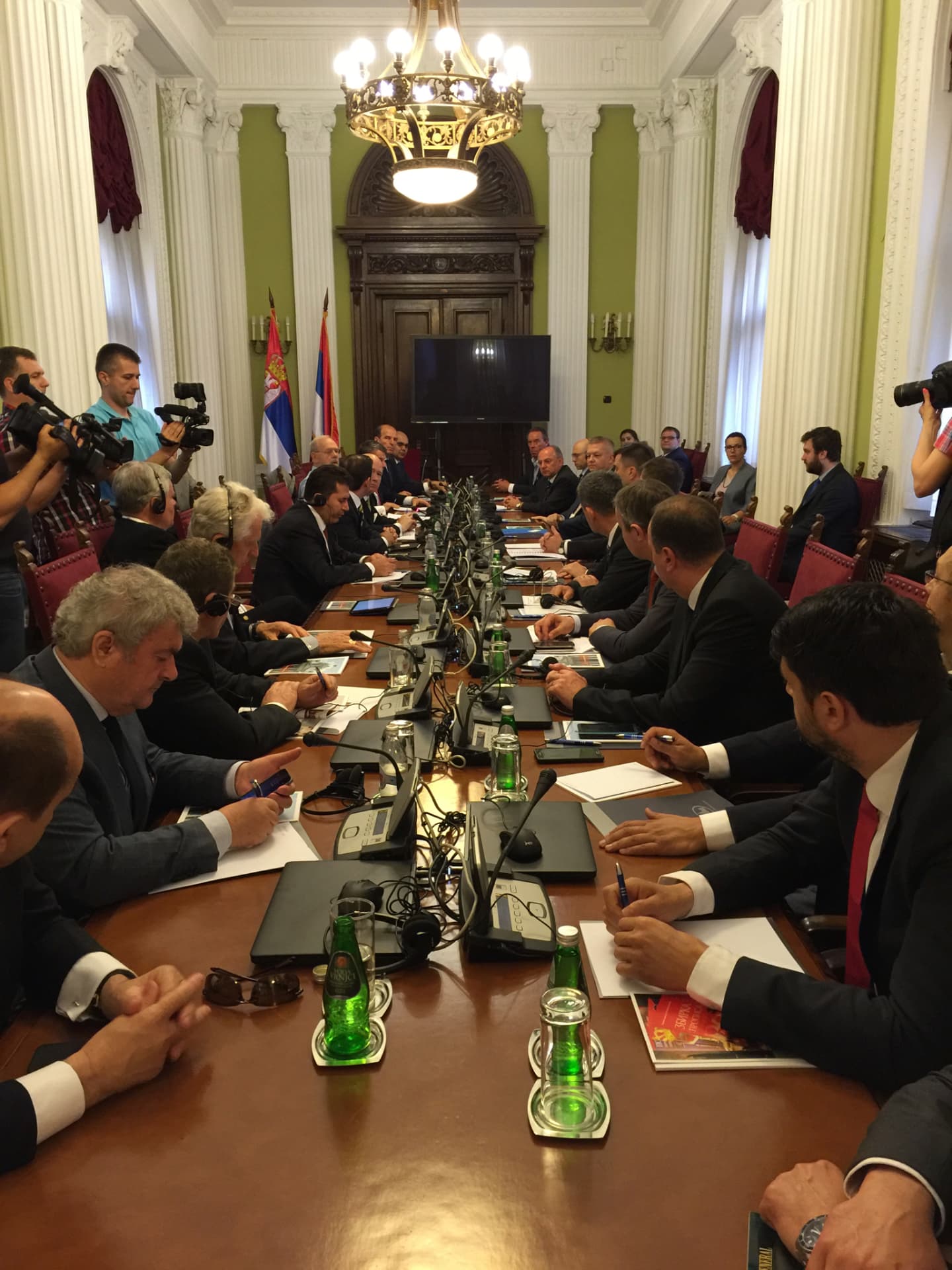
Since then, the Lord has taken us into many other places where trust has been strained and relationships have fractured.
Across Europe.
The Balkans.
The Baltic nations.
The Visegrád countries.
The Levant.
The Middle East.
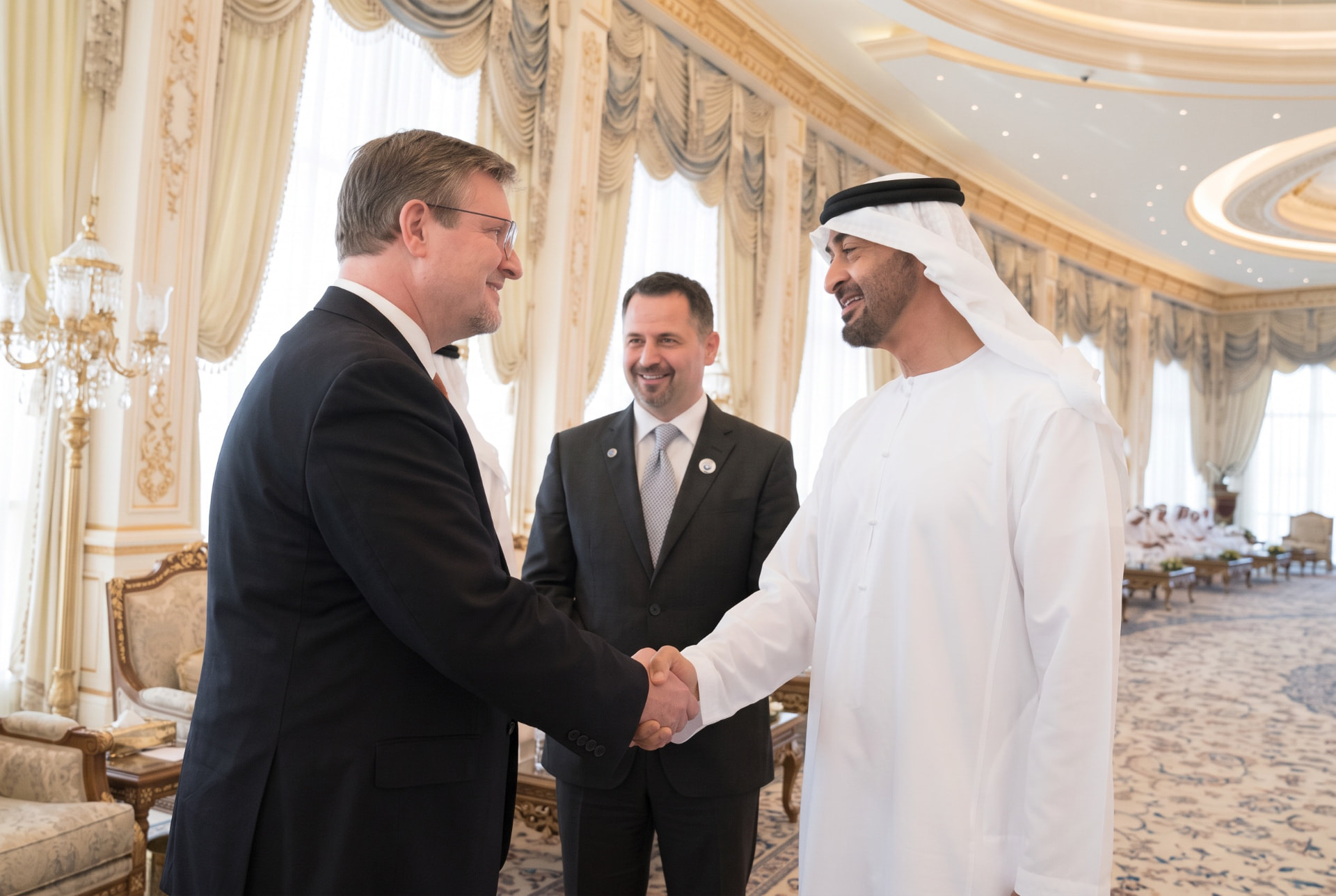
Often alongside members of the United States Congress, national parliaments, diplomats, civic leaders, business leaders and pastors.
Different cultures. Different histories.
Remarkably similar human needs.
Everywhere we go, we find people longing for trust.
Trust Cannot Be Demanded
It must be earned.
It grows slowly through character, consistency and faithful presence.
It is strengthened when people tell the truth.
When they keep their word.
When they choose humility over self-protection.
When they listen before speaking.
When they remain available after everyone else has moved on.
This is why we often describe our ministry not as conflict resolution but as the ministry of availability.
Sometimes the greatest gift we can bring is simply to remain present.
To pray.
To listen.
To encourage.
To carry hope when others cannot yet see it.
The Ministry of Reconciliation
The Apostle Paul writes:
“God… reconciled us to Himself through Christ and gave us the ministry of reconciliation.”
2 Corinthians 5:18
Every follower of Christ receives that calling.
Not everyone negotiates peace agreements.
Not everyone serves in government.
Few stand on international platforms.
But every Christian is invited to become a reconciler.
In homes.
Churches.
Neighbourhoods.
Businesses.
Schools.
Boardrooms.
Legislatures.
Nations.
The work always begins with ourselves.
Peace with God.
Peace within.
Peace with others.
Only then are we ready to become peacemakers.
Peacebuilding Is Not a Project
It is a way of life.
It is choosing presence over distance.
Prayer over panic.
Truth over propaganda.
Humility over pride.
Hope over cynicism.
Love over fear.
This is the peace that Jesus demonstrated.
This is the peace He commands us to pursue.
And this is the peace we seek to practice, one relationship at a time.
Walk With Us in the Work of Peace
Explore the postures and the people who shape our peacebuilding practice—across Europe, the Balkans, the Baltics, the Levant and the Middle East.